If you run a nail salon in the U.S., especially one with multiple technicians, you’ve probably dealt with questions like: Who worked which shift? Who should get the tip? How should tips be split when multiple technicians work on the same client? These may seem like small details, but they can quickly become complicated if everything is managed manually.
This is one of the important parts of overall salon management — if you want to see the bigger picture, read our article on Nail Salon Management Software in the U.S
1. What Are Technician Shifts and Tip Splitting?
Before choosing a management method, let’s clarify two basic concepts:
- Turn (Shift): The order in which technicians serve clients, especially for walk-in customers. When a client arrives, the technician whose turn it is serves them. The goal is to keep the rotation fair.
- Tip: A gratuity given directly to a technician, which can be a fixed amount or a percentage of the service price. In many nail salons, tips can account for a significant portion of a technician’s income.
When you can track exactly who served which client and how much each technician earned, fairness and transparency become much easier to maintain. A clear system also reduces misunderstandings and internal conflicts among staff.
2. Fair Ways to Split Technician Shifts
There is no single formula that works for every salon. Below are several common methods, along with their pros and cons, so you can choose the one that works best for your team.
Rotation-Based System
Technicians take turns serving customers in a fixed rotation. For example, if there are four technicians, each customer is assigned to the next technician in line.
Split Based on Revenue or Working Hours
Instead of simply rotating turns, you can consider each technician’s revenue or working hours. A technician who works more hours or generates more revenue may receive more clients.
Priority Based on Client Requests
If a customer specifically requests a certain technician, that technician gets the appointment regardless of the current rotation.
Advantage: Improves customer experience and respects client preferences.
Disadvantage: If there are too many requests for one technician, it can make the overall rotation less balanced.
Handle Special Cases with Clear Rules
Late arrivals, early departures, breaks, and other special situations should follow a consistent rule. This prevents technicians from feeling that the system is being applied differently to different people.
3. How to Split Cash and Card Tips
Tip splitting can become even more complicated when customers pay using different methods. Here are some common approaches:
- Cash tips: Usually kept directly by the technician who receives them, unless your salon has a shared-tip policy.
- Card tips: Since the tip is processed through the salon’s payment system, you need to clearly record which technician earned it so the correct amount can be paid out later.
- Multiple technicians serving one client: If several technicians work on the same customer, the tip may need to be divided according to the service each person provided.
- Pool or shared tips: Some salons combine tips and distribute them among technicians based on a predefined formula. The important thing is to establish the rules clearly and apply them consistently.
The most important rule is to clearly define the tip policy before problems occur. If the system is transparent, technicians are much less likely to question whether they are being paid fairly.
4. Why Does Manual Tracking Take So Much Time and Cause Mistakes?
Many salons still track shifts and tips using notebooks, spreadsheets, or memory. For example:
- Different methods create confusion. One person records the shift, another calculates tips, and someone else handles the final reconciliation.
- Manual calculations are error-prone. Even a small mistake can affect multiple technicians’ earnings.
- Too much time is spent on administrative work. Instead of focusing on customers and salon operations, staff have to spend time checking numbers and resolving discrepancies.
- It becomes harder as the salon grows. The more technicians and customers you have, the more difficult manual tracking becomes.
A management system can help automate these calculations and make the process more transparent.
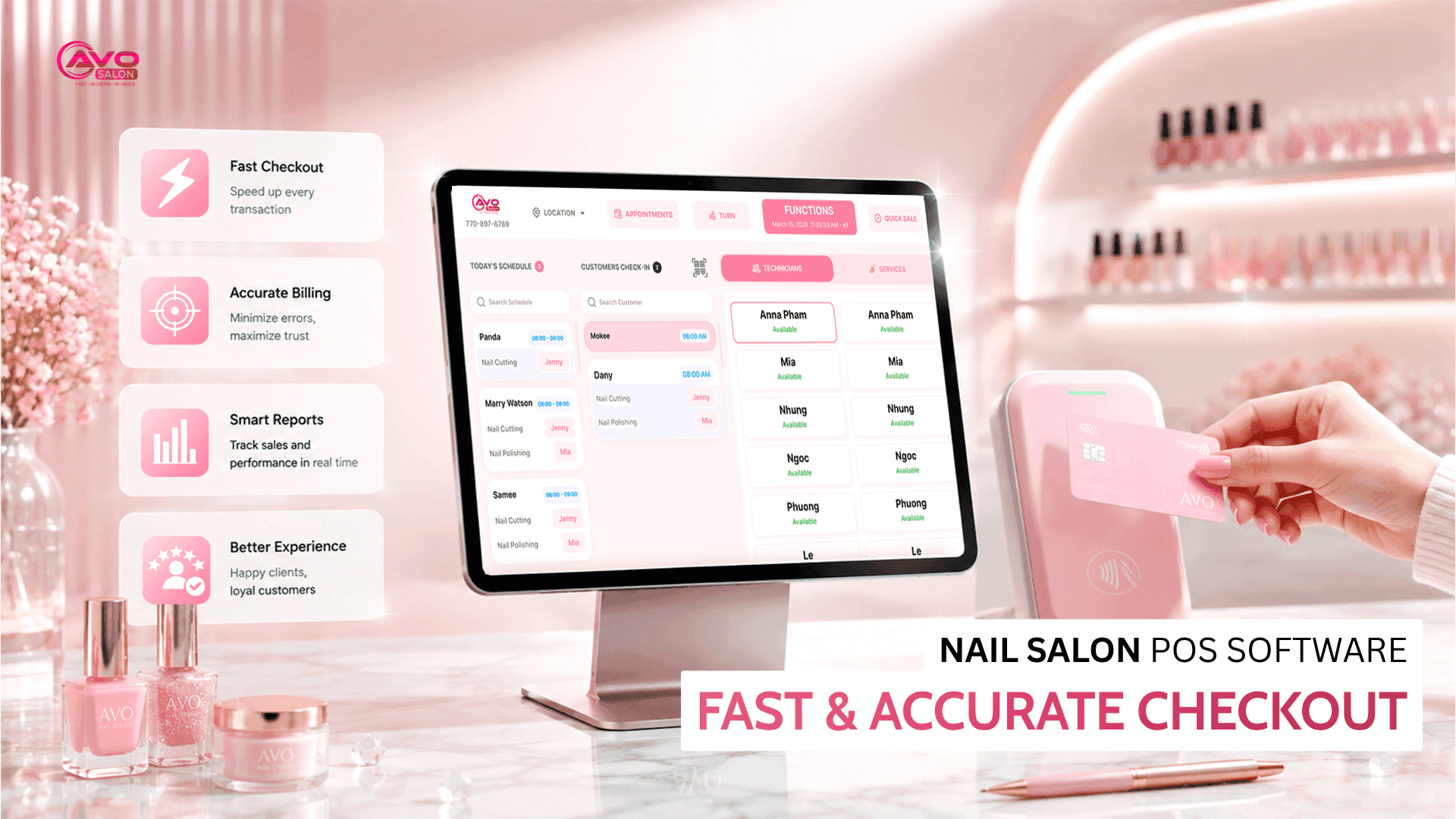
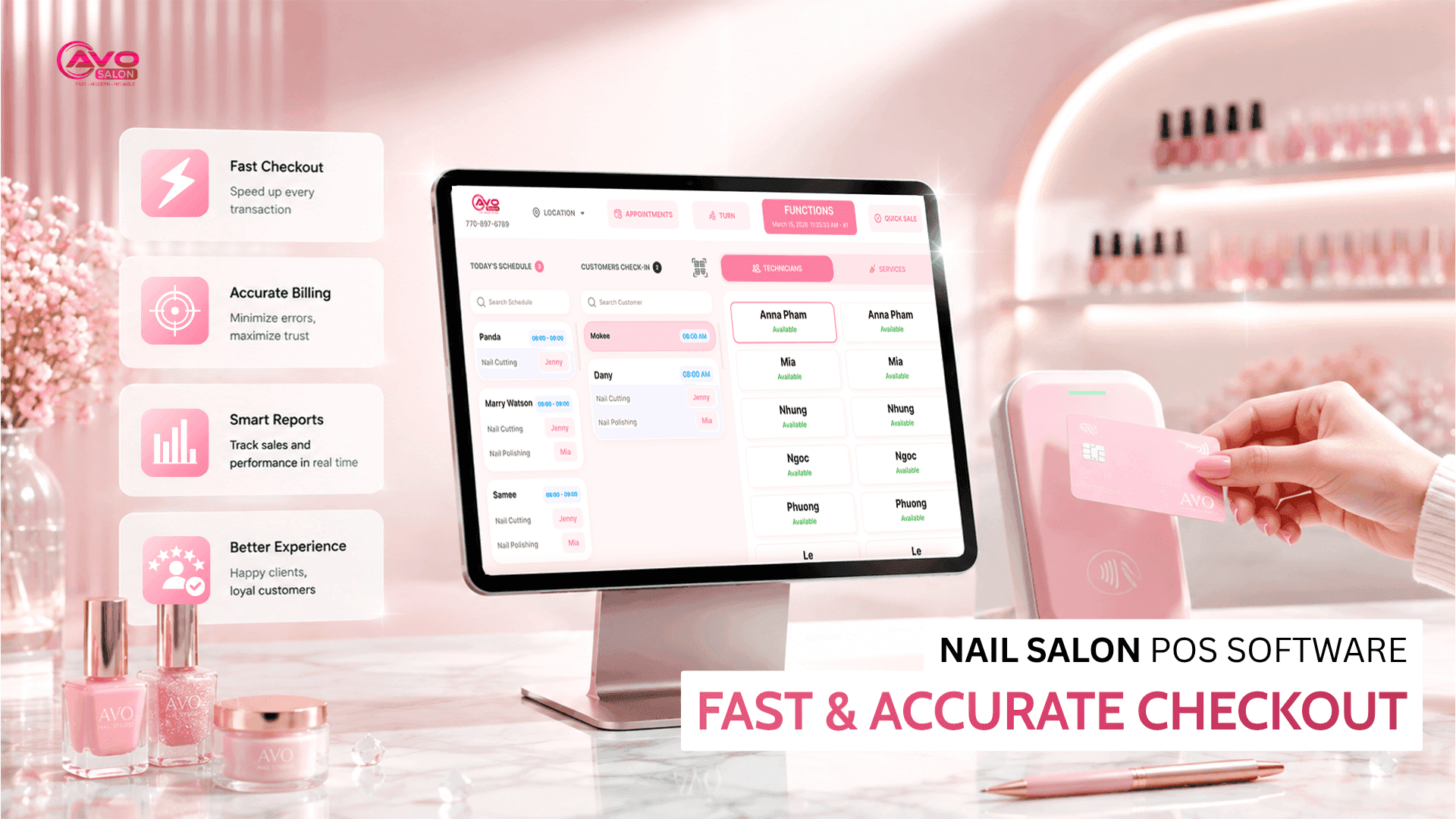
5. How Software Can Automatically Manage Shifts & Tips
This is where salon management software can make the biggest difference. A good system can:
- Automatically assign turns: When a client walks in, the system can assign the customer to the appropriate technician based on the salon’s rotation rules.
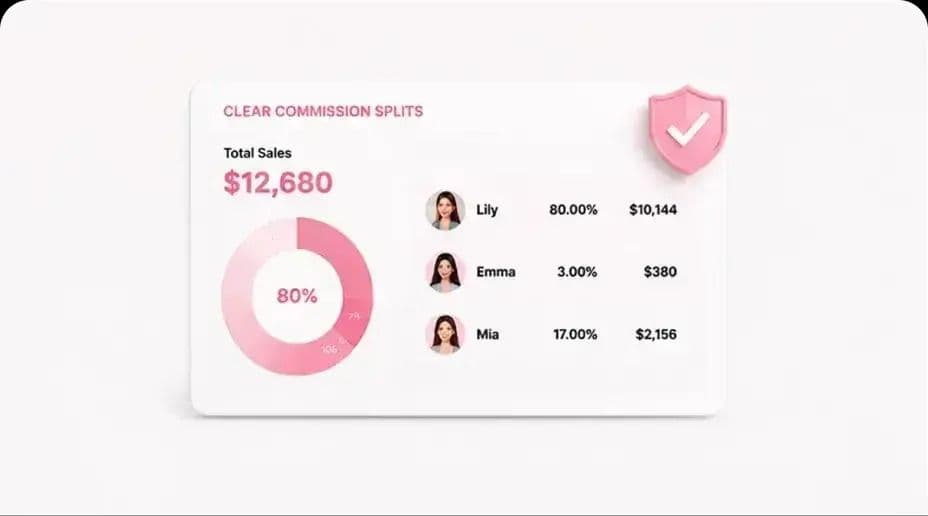
- Track tips by technician: Each tip is automatically associated with the technician who provided the service, so you don’t have to calculate everything manually.
- Generate end-of-day reports: Easily see how much each technician earned, including service revenue and tips.
- Track multiple services: If a customer receives services from several technicians, the system can record each service separately and allocate the appropriate revenue and tips.
- Keep everything transparent: Technicians can clearly see their earnings, which helps reduce misunderstandings and build trust within the team.
As a result, the system not only saves time but also makes the entire process more transparent and fair. Learn more about AVO POS Features.
Frequently Asked Questions
Should every nail salon use software to manage shifts and tips?
Not necessarily. However, as the number of technicians and customers grows, manual tracking becomes increasingly difficult. A management system can help reduce mistakes and save significant administrative time.
Can software automatically calculate tips according to the salon’s rules?
Yes. Depending on the software, you can configure different rules for tip distribution and technician commissions. The important thing is to choose a system that supports the way your salon actually operates.
Conclusion
Splitting technician shifts and tips fairly isn’t just about calculating numbers—it’s about creating a transparent and trustworthy system within your salon. When technicians know exactly how turns are assigned and how tips are calculated, they are more likely to feel respected and motivated.
If you want to reduce manual work and make technician management easier, consider using salon management software that supports shift rotation, tip tracking, and daily reconciliation.
Want to see how AVO POS works? Book an AVO POS Demo or learn more about Nail Salon Management Software to explore other features.